
Things to Do in Chinandega, Nicaragua
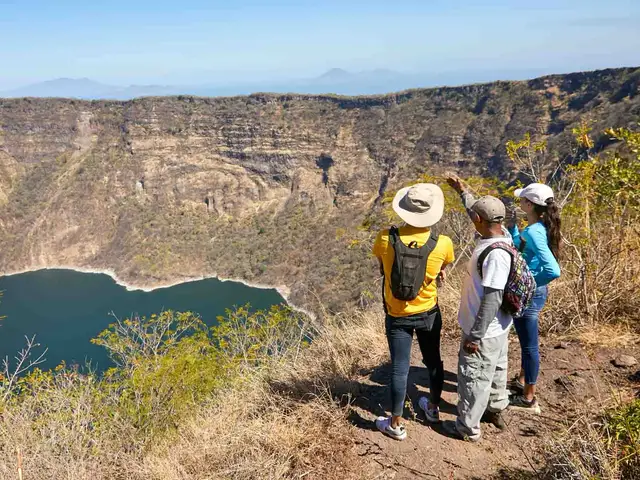
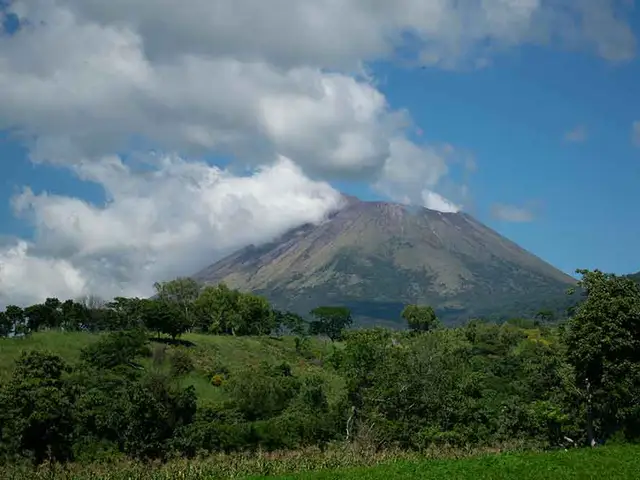
Things to do in Chinandega, Nicaragua: hike San Cristóbal, the country's highest volcano, eat seafood in Corinto and find quiet beaches at Jiquilillo.


12 best things to do in Chinandega
Our pick of what not to miss in Chinandega, from the must-sees to weekend plans. Tap any of them for directions and more photos.
-
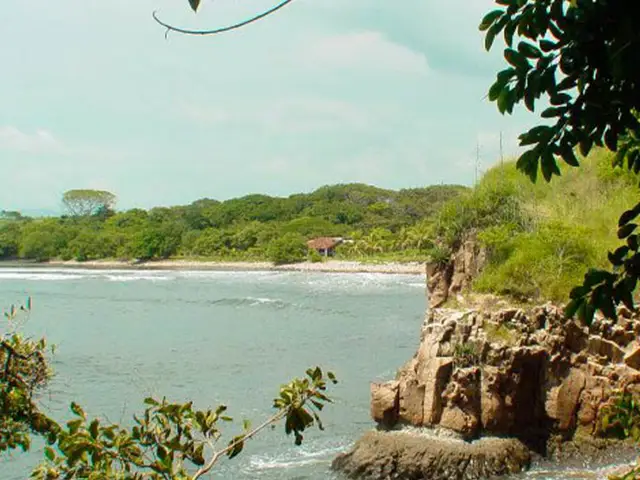
-
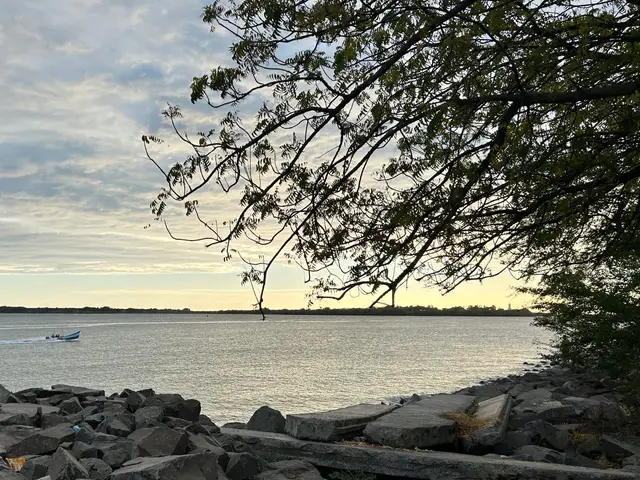
-
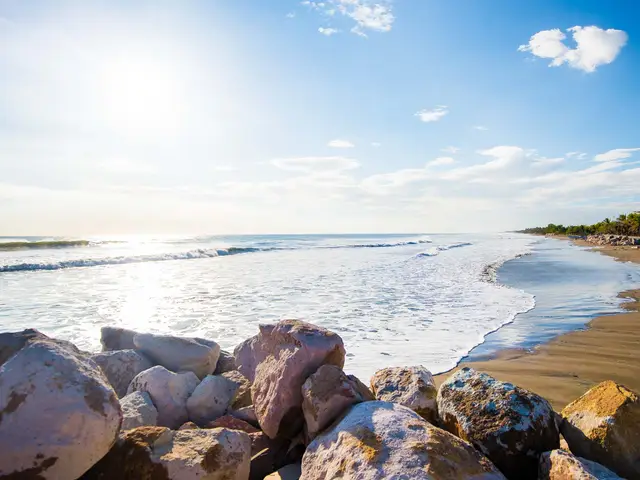
-
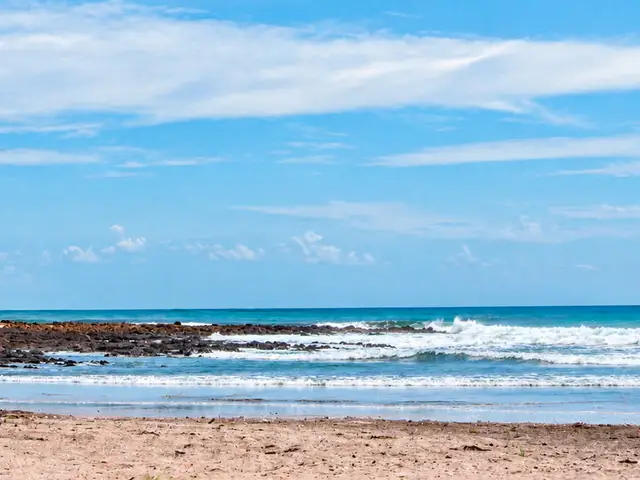
-
-
-
-
-
-
-
-


Things to Do in Chinandega by category
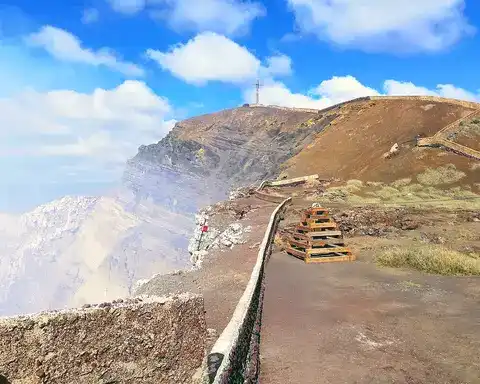



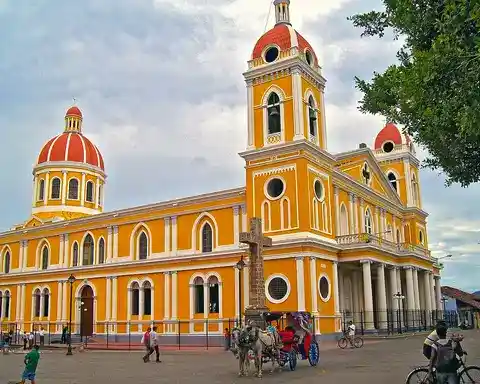
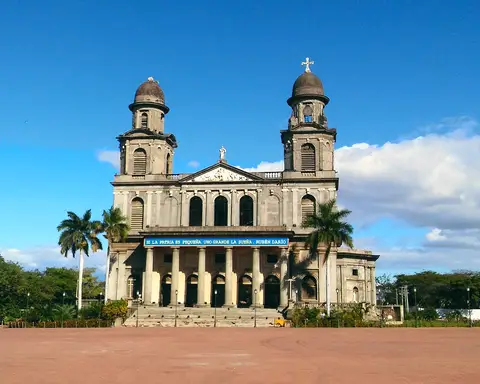



This week in Chinandega
All
Things to Do in Chinandega: frequently asked questions
What is Chinandega known for?
Chinandega is known as the "City of Oranges" and as one of Nicaragua's hottest cities, a farming and trade centre in the northwest lowlands. It is the gateway to San Cristóbal, the country's highest volcano at 1,745 m, to the port of Corinto, to the basilica in neighbouring El Viejo and to quiet northern Pacific beaches such as Jiquilillo and Padre Ramos.
Is Chinandega safe for tourists?
Chinandega is covered by the general advice for Nicaragua rather than a city-specific warning. The US rates the country Level 3, "Reconsider travel" (May 2026), and Canada advises "a high degree of caution", noting more criminal activity in areas near the Honduras border. Spain flags higher seismic risk and active volcanoes in Chinandega department. Hike volcanoes with a guide, follow local alerts and check your government's advisory.
How far is Chinandega from Managua?
Chinandega is about 139 km from Managua by road, roughly 2 hours 25 minutes without traffic (OpenStreetMap routing, centre to centre), and about 46 km, under an hour, beyond León. Buses and minibuses run from Managua, and from León's main terminal buses leave for Chinandega about every 15 minutes, taking around an hour on direct services.
Where is Chinandega, Nicaragua located?
Chinandega is in northwestern Nicaragua, in the Pacific coastal lowlands, and is the capital of Chinandega department. It lies on the Pan-American Highway near the border with Honduras, about 46 km northwest of León by road. The department stretches to the Gulf of Fonseca, where the Cosigüina volcano forms a peninsula at the country's western tip.
When is the best time to visit Chinandega, Nicaragua?
The best time to visit Chinandega is the dry season, roughly December to April, when beach roads and volcano trails are easiest. Expect heat all year: it is one of Nicaragua's hottest cities, with temperatures that can reach 40 °C, so start hikes at dawn. The rains run from about May to November, and the hurricane season spans June to November.